


Live casino strategy built around pacing and bankroll control
Live dealer sessions reward patience more than speed
When I started in the industry, slot floors were all about noise and volume. Today, live dealer tables ask for something quieter: attention. That shift matters for Australians sitting down in the evening with a drink and a plan. The best casino strategy for live games is less about chasing a hot streak and more about managing how you play across a session. It is about knowing when to sit out a hand and when to let the rhythm carry you.
I have watched operators treat live tables like a slot machine with a human in front of it. That is the wrong read. A live dealer game has pauses, eye contact, and a pace you can feel. If you treat every hand like a slot spin, you burn through a bankroll before the arvo is over.
What the platform actually offers

The operator positions itself around steady, readable live tables rather than a crowded lobby of every possible variant. The core offer leans on a small set of blackjack and roulette tables hosted by dealers who keep the pace consistent. Two or three distinguishing traits stand out: table limits that suit casual play, a lobby that does not shuffle you between games every minute, and a mobile layout that keeps the betting panel visible without crowding the stream.
Everyday usability is where this approach earns its keep. You can register in a few steps, verify your identity, and move from the lobby to a table without hunting through tabs. Payments are listed in Australian dollars, and the withdrawal flow is presented as a separate step rather than buried in a promotion screen. Support is reachable through a chat window that stays open during session hours, which matters when you are trying to sort a deposit question mid-game.
The overall fit is for players who want a live room that feels like a room, not a feed. It is not built for people who want fifty variants and a new promotion every hour. It is built for people who want a table they can return to across a week without the interface changing underneath them.
If you are comparing options, it helps to read a short roundup before you commit your first deposit, and a practical place to start is this operator’s live tables for a sense of how the lobby is arranged.
How to play live tables with a plan
Bankroll pacing before the first hand
Set a session limit before you join a table, not after you have won two hands and feel invincible. I have seen players treat a small win as permission to raise stakes, then give it back in three losing rounds. A simple rule works better: decide the amount you are comfortable losing in one sitting, then divide it into chunks that match the table minimum. If the minimum is $10 and you bring $200, that is twenty rounds at the base level before you need to stop or reset. That math is boring, but boring is what keeps a session alive.
Isla Wilson, Board Member, Blue Mountains Interactive, has said that table limits should match the player’s intended session length, not the other way around. Her point is that a bankroll plan only works if the table you choose lets you play the number of hands you planned for.
Reading the table pace, not the dealer
A live dealer is not there to tell you when to bet bigger. They are there to keep the game moving. What you can read is pace: how long the dealing takes, how often the chat gets busy, whether the same players are sticking around or drifting off. When the table slows, do not rush to fill the gap with larger bets. Slow tables are often where impulse betting creeps in because there is nothing else to do between rounds.
I once watched a player in a Hobart club who treated a live stream like a quiet corner of the room. He did not win every session, but he rarely chased. He would step away for ten minutes, make a coffee, and come back to the same table. That kind of break costs nothing and resets the impulse to bet just to stay involved.
When to step away mid-session
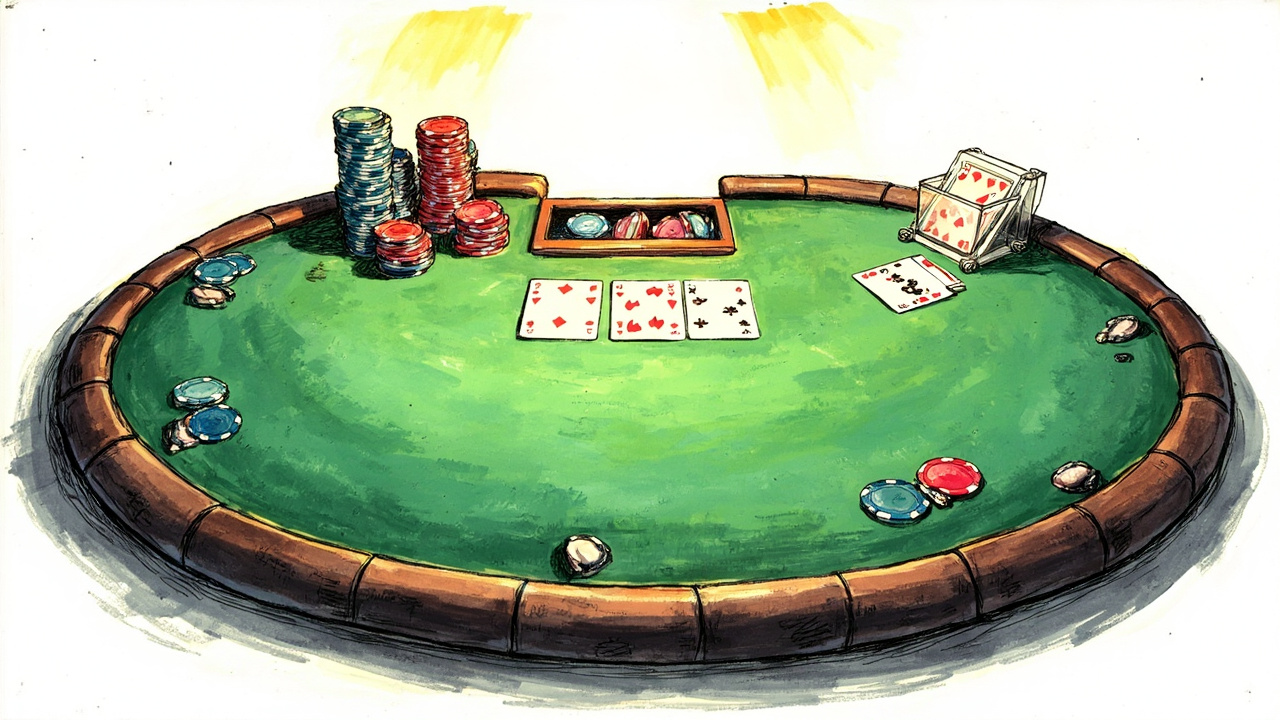
Knowing when to stop is part of the strategy, not an afterthought. A practical cue is not a win or a loss but a count: if you have played through your planned chunks and the session is no longer feeling focused, close the table. Another cue is emotional: if you are betting to prove a point to yourself, you are no longer playing the game, you are arguing with it.
Finn Roberts, Responsible Gambling Adviser, Koala Digital Group, has cautioned that live dealer play can blur the line between entertainment and habit because the human element makes the session feel more personal. His advice is to treat the dealer as part of the entertainment, not as a signal to keep going.
Who this approach suits
This style of play fits a player who wants a live table as a regular, low-drama part of an evening rather than a high-intensity event. It suits someone who can sit through a few quiet rounds without feeling the need to raise stakes just to stay engaged. It also suits players who prefer a clear bankroll plan and do not want a lobby that pushes them toward a different game every few minutes.
It is less suitable for players who want a fast-moving feed of many variants, or who treat live dealer play as a way to test large stakes in short bursts. If you are the sort of player who likes to jump between tables every ten minutes, this slower setup may feel flat. That is not a flaw in the operator so much as a mismatch in priorities.
Samuel Ryan, Head of Analytics, Harbour Bet Insights, has noted that session length and table consistency tend to matter more than the number of games on offer for players who return regularly. His reading is that a smaller, stable live room often keeps players engaged longer than a crowded one.
If you want a slower room with a clear plan, this approach is worth a look before you fund an account, and you can compare the live table layout at the operator’s live lobby to see whether the pace matches your own.
The best casino strategy for live games is really a strategy for your own attention. Pick a table that matches your bankroll, watch the pace instead of the dealer, and step away when the session stops feeling deliberate. That is not a winning formula, because no such thing exists, but it is a way to keep live play readable and controlled.
Terms used in this article
- Bankroll: the amount you set aside for a session or a series of sessions.
- Table minimum: the smallest bet allowed on a live table.
- Session limit: a self-set cap on time or money for one sitting.
- Live dealer game: a streamed table with a human dealer and real cards or wheels.
- Verification: the identity checks required before deposits or withdrawals.