


Walk into any busy Melbourne casino and you’ll see the craps table buzzing faster than a Saturday night at the MCG. It’s loud, it’s chaotic, and if you don’t know the ropes, it looks like a bloody free-for-all. That’s why we’re here to break down the craps pass line bet explained in plain English, without the jargon that usually sends people scrambling for the exits. We reckon understanding the basics is the only way to keep your head above water when the dice start rolling.
The Basics Of The Pass Line

The pass line is the heart of the game, plain and simple. You put your chips down before the shooter rolls the come-out, hoping for a seven or eleven to win right away. If a two, three, or twelve hits, you lose instantly, but any other number becomes the point. Once that point is set, you’re rooting for that number to repeat before a seven turns up. It’s a straightforward wager compared to the fancy side bets that clutter the layout. When you’re checking out a table lobby, you want clarity, not confusion. Some platforms organise their table games differently, so you might need to hunt a bit to find the craps tables amidst the slots and live dealer options. For example, navigating to elvis-frog-trueways-online-au.com can show you how some sites structure their lobby discovery, though every venue has its own quirks. The key is knowing what you’re walking into before you drop your cash.
| Outcome | Result |
|---|---|
| Come-out roll 7 or 11 | Pass line wins immediately |
| Come-out roll 2, 3, or 12 | Pass line loses immediately |
| Any other number (4, 5, 6, 8, 9, 10) | Becomes the point |
| Point rolled again before 7 | Pass line wins |
| 7 rolled before point | Pass line loses |
Odds And The Aussie Comparison
Here’s where it gets interesting for us compared to the Americans. In the US, you can often take odds behind the pass line, which lowers the house edge significantly because it pays at true odds. Down Under, we don’t always get that same flexibility depending on the venue and the specific rules they’re running. It’s a bit like betting on the horses; sometimes the market shifts and you’re stuck with fixed odds instead of the real deal. We’ve seen overseas operators push the odds bet hard as a selling point, but local regulations and game rules can limit how much you can lay behind your line. It’s not necessarily a bad thing, but you should know the difference before you compare it to a standard sports bet. The house edge on the pass line itself is around 1.41%, which is decent enough if you’re playing for fun during an arvo session.
House Rules And Dealer Conduct
You need to trust the person running the table, especially when money is changing hands fast. Reputable venues insist that dealers are trained to “clear their hands” on camera to prove they’ve palmed nothing. It’s a simple visual check, but it matters when you’re handing over chips worth hundreds of bucks. This transparency is crucial because the “peak-end rule” means players remember their biggest win and final moment most vividly. If the dealer is sloppy at the end of your session, you walk away annoyed, even if you won big earlier. That’s why consistency in how the game is run counts for more than flashy graphics. You want a environment where the rules are clear and the staff are sharp, not guessing whether your bet counted or not. elvis-frog-trueways-online-au.com
Payments, Support, And Practicalities
Getting your money in and out smoothly is half the battle. Ella Fraser, Payments Strategy Director, Sunburnt Country Interactive, notes that payment flows need to be frictionless without compromising security. You don’t want to be stuck waiting days for a withdrawal when you’ve had a good run. Registration should be quick, and mobile access needs to work properly if you’re checking odds on the train home. Support teams should be reachable without jumping through hoops, because nothing kills a vibe like being stuck in a chat queue when you need a hand. Whether you’re playing locally or looking at international options, the payment mechanics and support structure define the experience more than the dice themselves. Keep your expectations realistic and make sure the venue handles currency and limits in a way that suits your bankroll.
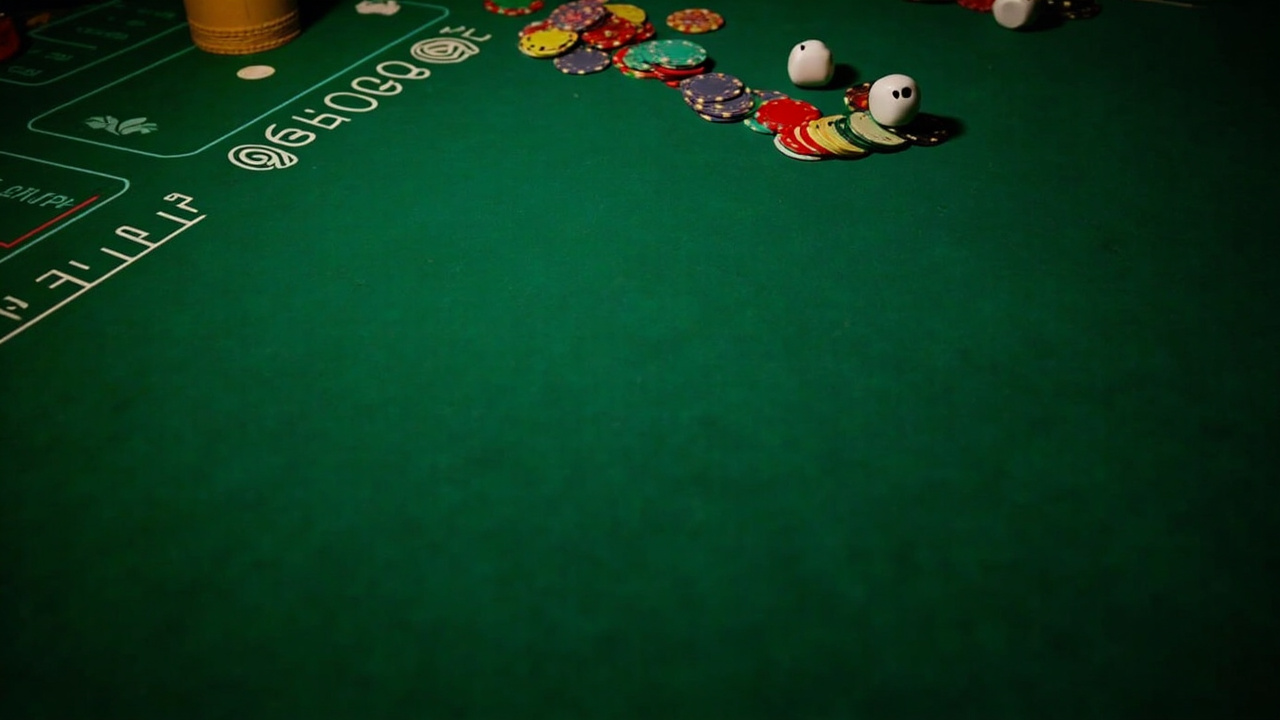
When you strip it back, the pass line is about patience and understanding the flow of the game. It’s not a get-rich-quick scheme, and anyone telling you otherwise is selling you something. Treat it like a proper session at the track – know your limits, watch the rules, and enjoy the noise without letting it cloud your judgement. If you can manage that, you’ll have a better time at the tables than most people who just throw chips at the wall and hope for the best.